
INTRODUCTION
Pain can change the way a person moves, works, exercises, and performs everyday activities. When pain continues for a long time, people may naturally begin avoiding movements that they believe will make their symptoms worse. Over time, this can lead to reduced strength, stiffness, poor movement patterns, and loss of confidence.
Functional rehabilitation focuses on helping people regain useful movement and return to activities that are important to them. Instead of concentrating only on the painful area, rehabilitation looks at how the entire body functions during daily activities.
At Sukhada pain clinic, rehabilitation is planned according to the individual's condition, physical abilities, symptoms, and personal goals. The aim is to make movement safer and more comfortable while gradually improving physical function.
WHAT IS FUNCTIONAL REHABILITATION?
Functional rehabilitation is a structured approach designed to improve the ability to perform everyday movements and activities. It may be useful after an injury, surgery, prolonged illness, or during recovery from a long-standing pain condition.
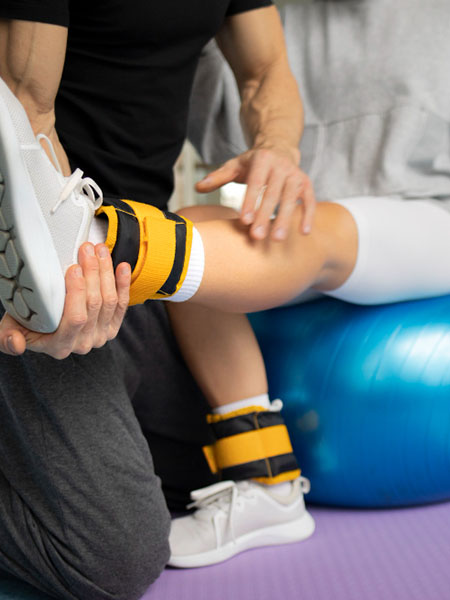
The program may include exercises for strength, flexibility, balance, coordination, posture, and movement control. The exercises are gradually adjusted as the person's abilities improve.
The focus is not simply on exercising harder. Good rehabilitation involves choosing the right movements, performing them correctly, and progressing at a suitable pace.
Functional Rehabilitation in Nellore can help patients work toward practical goals such as walking comfortably, climbing stairs, returning to work, exercising safely, or managing household activities with greater confidence.
Rehabilitation may also help patients understand their symptoms and reduce fear of movement. This can be particularly valuable when pain has caused a person to become less active over time.
WHO CAN BENEFIT FROM FUNCTIONAL REHABILITATION?
Functional rehabilitation may benefit people with different types of physical limitations. It can be useful for individuals recovering from injuries, surgery, prolonged periods of inactivity, or musculoskeletal conditions.
It may also be considered for people who have developed weakness or movement difficulties because of persistent pain. The program is adapted according to age, physical condition, diagnosis, and activity requirements.
People may benefit when they have difficulty with:
- Walking, standing, or climbing stairs.
- Bending, reaching, lifting, or carrying.
- Returning to work or exercise after an injury.
- Maintaining strength after prolonged inactivity.
- Performing everyday movements without excessive discomfort.
Rehabilitation can also support people who are recovering from procedures or treatments that temporarily affected their strength and mobility. The timing and intensity of exercise should always take the individual's medical condition into account.
CONDITIONS WE SUPPORT
Functional rehabilitation can be used as part of care for many musculoskeletal and pain-related conditions. These may include back and neck problems, joint pain, arthritis, sports injuries, tendon problems, muscle injuries, and recovery after surgery.
Patients with persistent pain may gradually reduce physical activity because movement feels uncomfortable. This can create a cycle in which reduced activity leads to weakness, while weakness makes ordinary activities more difficult.
A structured rehabilitation program can help break this cycle. Exercises are introduced gradually and adjusted according to how the patient responds.
Rehabilitation may also be useful for people recovering from fractures, joint procedures, or other injuries after the appropriate healing stage has been reached. The exact program depends on the diagnosis and should not be started without considering any restrictions related to the condition.
REHABILITATION AND PAIN MANAGEMENT
Pain and movement are closely connected. When movement repeatedly causes discomfort, people may begin changing the way they walk, sit, lift, or use a particular joint. These changes may place additional stress on other parts of the body.
Pain rehabilitation aims to improve physical function while helping patients develop confidence in appropriate movement. It does not mean ignoring pain or forcing the body through severe symptoms.
Pain Rehabilitation in Nellore may involve a combination of therapeutic exercise, activity modification, education, posture guidance, and other treatments when clinically appropriate.
The rehabilitation plan may also be coordinated with medical treatment or pain-relief procedures. When pain becomes more manageable, patients may find it easier to participate in exercises and gradually increase their activity.
The goal is to help patients become more capable in their daily lives rather than simply focusing on a temporary reduction in symptoms.
IMPROVING STRENGTH AND MOBILITY
Strength and flexibility are important for normal movement. Weak muscles may make everyday tasks more demanding, while reduced flexibility can limit joint movement and alter normal body mechanics.
Rehabilitation exercises are selected according to the patient's specific needs. A program may begin with simple movements and gradually progress to more challenging activities as strength and control improve.
Balance and coordination may also be addressed when necessary. These abilities are important for walking safely, changing direction, using stairs, and performing activities that require controlled movement.
Exercises should be performed with proper technique. Repetition alone is not enough; the quality of movement is also important. Patients are usually encouraged to progress gradually rather than trying to achieve rapid improvements.
With appropriate guidance, Rehabilitation Therapy in Nellore can support gradual improvements in strength, mobility, physical confidence, and the ability to perform meaningful activities.
RETURNING TO DAILY ACTIVITIES
The ultimate purpose of rehabilitation is often to help patients return to the activities they value. These goals differ from person to person.
For one individual, success may mean walking comfortably around the house. For another, it may mean returning to work, caring for children, exercising, playing a sport, or completing household responsibilities.
Functional goals are therefore incorporated into rehabilitation whenever possible. Exercises can be designed to resemble the movements required during real-life activities.
Patients may also receive guidance on lifting, sitting, standing, workplace movements, and pacing daily tasks. Learning how to increase activity gradually can reduce the risk of doing too much too soon.
A gradual return to activity can also improve confidence. As patients discover that they can move more comfortably and safely, they may become less fearful of normal physical activity.
PERSONALIZED REHABILITATION PLANS
Every person responds differently to exercise and physical activity. A rehabilitation program should therefore be based on an individual's condition rather than following a fixed routine.
An initial assessment may consider pain levels, range of movement, muscle strength, balance, posture, physical limitations, previous injuries, and current activity levels. Personal goals are also important because they help determine what functional improvements matter most to the patient.
The program may be modified during follow-up depending on progress. Exercises can be made easier when symptoms are aggravated or gradually increased when the patient is ready for more challenge.
Education is another important part of rehabilitation. Understanding why certain movements are recommended can help patients participate actively in their recovery.
An individualized evaluation by Dr. Namratha B. Reddy can help determine the appropriate rehabilitation approach and identify whether additional pain-management measures may be useful.
BUILDING LONG-TERM FUNCTION
Rehabilitation should ideally help patients develop skills that can continue beyond supervised treatment. Maintaining appropriate physical activity, following exercise recommendations, and paying attention to movement habits can support long-term function.
Patients should also learn to recognize the difference between normal exercise-related effort and symptoms that may require medical review. Rehabilitation is not about pushing through every type of pain.
Progress may sometimes be gradual. Small improvements in walking distance, flexibility, strength, sleep, or ability to perform daily tasks can represent meaningful steps forward.
With consistency and appropriate guidance, rehabilitation can become an important part of maintaining physical independence and confidence.
TAKE THE NEXT STEP TOWARDS BETTER MOVEMENT
If pain, weakness, stiffness, or reduced mobility is limiting your everyday life, seek a personalized rehabilitation assessment and take the first step towards moving with greater confidence and function.
Frequently Asked Questions (FAQs)
1. Is functional rehabilitation only for people recovering from surgery?
No. It can also benefit people with chronic pain, sports injuries, joint problems, muscle conditions, arthritis, and other causes of reduced physical function.
2. Will rehabilitation exercises increase my pain?
Some exercises may cause mild temporary muscle soreness, but severe or worsening pain should not be ignored. Exercises should be selected and progressed according to the individual's condition.
3. How long does rehabilitation take?
The duration varies depending on the diagnosis, severity of the problem, physical condition, and treatment goals. Progress is usually assessed over time and the program adjusted accordingly.
4. Can rehabilitation help with chronic pain?
It can help improve strength, movement, physical confidence, and daily function. Rehabilitation may be combined with other treatments when appropriate.
5. Do I need to continue exercises after supervised rehabilitation ends?
Often, maintaining appropriate exercises and physical activity can help preserve the improvements achieved during rehabilitation. The recommended routine depends on the individual's condition and goals.