
INTRODUCTION
Hip pain can affect people of different ages and activity levels. It may develop gradually because of changes within the joint, appear after an injury, or result from problems involving muscles, tendons, or nearby structures. Even mild discomfort can become troublesome when it interferes with walking, climbing stairs, sitting, exercising, or sleeping.
The hip is a strong weight-bearing joint that connects the upper body with the legs. It plays an important role in maintaining balance and allowing smooth movement. Because several structures around the hip can cause similar symptoms, identifying the actual source of pain is an important part of effective treatment.
At Sukhada pain clinic, hip symptoms are assessed individually to understand the possible cause and its effect on everyday function. Treatment is planned according to the patient's condition, medical history, activity level, and personal goals.
WHAT CAUSES HIP PAIN?
Hip pain can originate from the hip joint itself or from muscles, tendons, ligaments, nerves, and other tissues around the area. Sometimes pain felt around the hip may actually come from the lower back or another nearby structure.
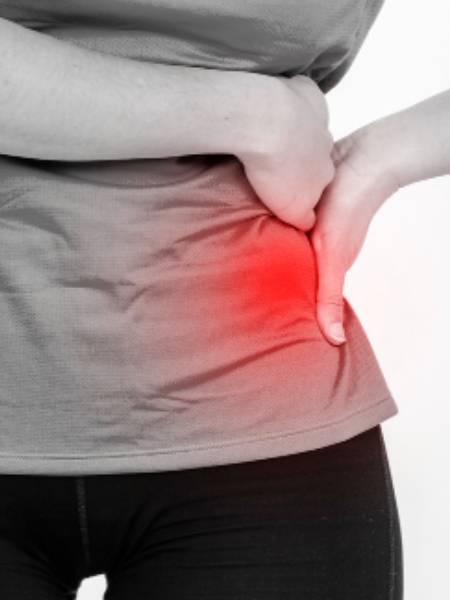
Osteoarthritis is a common cause, particularly as people get older. Changes within the joint can gradually lead to stiffness, discomfort, and reduced movement. The symptoms may initially appear during activities such as walking long distances or climbing stairs and may become more noticeable over time.
Injuries can affect the muscles, tendons, or other tissues around the hip. Sports activities, falls, sudden twisting, and repetitive movements may contribute to strains or tendon problems. Bursitis can cause pain around the outer side of the hip and may become worse when lying on that side.
Some hip problems can also develop because of changes in the way a person walks or moves. Previous injuries, muscle weakness, reduced flexibility, and prolonged physical stress may influence how forces are distributed around the joint.
Pain may occasionally be related to the spine or nerves. This is why a complete assessment is useful before deciding on treatment.
SYMPTOMS OF HIP PAIN
The location and nature of symptoms can vary depending on the underlying condition. Some people feel pain deep within the groin, while others experience discomfort on the outer side of the hip, buttock, or upper thigh.
Common symptoms include:
- Pain while walking, standing, climbing stairs, or getting up from a chair.
- Stiffness after periods of rest.
- Reduced ability to move the hip comfortably.
- Pain when lying on the affected side.
- Discomfort extending toward the thigh or buttock.
- A feeling of weakness or reduced stability while walking.
Sudden severe hip pain following an injury, inability to bear weight, visible deformity, or rapidly increasing swelling requires prompt medical evaluation. Fever associated with significant joint pain or feeling acutely unwell also requires timely medical attention.
Persistent pain that gradually interferes with sleep, mobility, work, or normal activities should also be assessed rather than repeatedly treated with self-medication.
HIP PAIN DIAGNOSIS
Diagnosis begins with understanding the patient's symptoms and medical history. The doctor may ask when the pain started, whether it followed an injury, which activities increase symptoms, and whether the discomfort is located in the groin, side of the hip, buttock, or leg.
A physical examination can provide important information about hip movement, strength, walking pattern, tenderness, flexibility, and the possible involvement of the lower back. Sometimes movements of the hip can reproduce symptoms and help identify the likely source.
Imaging is selected according to the clinical situation. X-rays can show changes involving the bones and joint space. Ultrasound may help assess certain soft tissues, while MRI can provide more detailed information about muscles, tendons, cartilage, and other structures.
A hip pain specialist in Nellore can determine whether investigations are necessary and interpret the results in combination with the patient's symptoms and physical examination.
HIP PAIN TREATMENT OPTIONS
Treatment depends on the cause, severity, duration, age, general health, and effect of symptoms on daily life. Not every hip problem requires an invasive procedure or surgery.
Activity modification can reduce stress on an irritated area while allowing appropriate movement to continue. Medication may sometimes be used for pain or inflammation, depending on the patient's medical history and other medicines.
Physical rehabilitation is often an important part of treatment. Exercises can help improve hip movement, strengthen supporting muscles, improve balance, and make everyday activities easier. The specific exercises should be selected according to the underlying condition.
For selected patients, minimally invasive procedures may be considered when symptoms remain significant despite appropriate conservative care. Depending on the diagnosis, a targeted injection or another procedure may be used to address a specific source of pain. The potential benefits, risks, and alternatives should be explained before treatment.
Surgery may be considered for certain structural problems or advanced joint disease when appropriate non-surgical measures have not provided adequate improvement. The decision should be based on the individual's symptoms, functional limitations, examination, investigations, and expected benefits.
MANAGING HIP PAIN AND IMPROVING MOBILITY
Long-term management involves more than controlling pain. Maintaining appropriate movement and physical conditioning can help preserve mobility and independence.
Hip pain treatment in Nellore may include a combination of rehabilitation, lifestyle measures, medication, and selected procedures depending on the individual's diagnosis.
Patients may benefit from gradually increasing physical activity rather than suddenly returning to demanding exercise. Strengthening the muscles around the hips and legs can provide better support for weight-bearing activities. Flexibility exercises may also be useful when appropriate.
Weight management can be relevant for some patients because excess body weight increases the load placed on weight-bearing joints. A balanced diet and suitable physical activity can support general health as well as mobility.
Practical changes can also make everyday activities easier. Using appropriate footwear, avoiding sudden increases in physical workload, taking breaks during prolonged sitting, and learning safer movement techniques may help reduce repeated strain.
Rehabilitation should be progressive and individualized. Doing too much too quickly can aggravate symptoms, while avoiding movement completely can contribute to stiffness and weakness.
WHEN TO SEE A PAIN SPECIALIST
Mild discomfort following unusual activity may improve with appropriate rest and gradual movement. However, professional assessment is advisable when hip pain continues, repeatedly returns, or begins affecting normal activities.
Hip pain management in Nellore can be useful for patients whose symptoms persist despite initial treatment or who experience significant stiffness, restricted movement, or difficulty walking.
A specialist assessment is particularly important when pain is associated with weakness, numbness, significant injury, or progressive difficulty bearing weight. Sudden severe symptoms after trauma require prompt evaluation.
Seeking assessment early can help identify the underlying cause and prevent patients from repeatedly aggravating a problem without knowing what is responsible for their symptoms.
PERSONALIZED CARE FOR BETTER HIP HEALTH
Hip pain affects each person differently. Someone who enjoys sports may have different treatment goals from an older adult who primarily wants to walk comfortably or perform household activities independently.
Dr. Namratha B. Reddy provides individualized assessment with attention to symptoms, examination findings, medical history, lifestyle, and functional goals. Patients can discuss their concerns and understand the available treatment approaches before deciding on the next step.
Depending on the condition, care may include medication, rehabilitation, lifestyle adjustments, minimally invasive procedures, or referral for surgical assessment when clinically appropriate. Treatment can be reviewed and adjusted according to progress.
The overall aim is to help patients manage symptoms while preserving movement, strength, independence, and quality of life.
TAKE THE FIRST STEP TOWARDS BETTER HIP HEALTH
Don't allow hip pain to restrict your walking, sleep, exercise, or everyday independence — schedule a professional evaluation today and take the first step toward better mobility and confident movement.
Frequently Asked Questions (FAQs)
1. What are the common causes of hip pain?
Hip pain can result from arthritis, muscle or tendon problems, bursitis, injuries, overuse, or conditions affecting nearby structures such as the lower back. An assessment is needed to identify the most likely cause.
2. Can hip pain improve without surgery?
Yes. Many hip problems can be managed with activity modification, physical rehabilitation, appropriate medication, and selected non-surgical procedures. Surgery is considered only for specific conditions when it is medically appropriate.
3. Why does my hip hurt when I sleep on my side?
Pain when lying on the side can occur when tissues around the outer part of the hip become irritated. Conditions affecting tendons or bursae can sometimes cause this pattern of discomfort.
4. Can hip problems cause pain in the thigh?
Yes. Hip-related pain can sometimes extend into the upper thigh or groin. Pain in these areas can also originate from other structures, so the source should be assessed if symptoms persist.
5. When should hip pain be evaluated urgently?
Urgent assessment is appropriate after a significant fall or injury, particularly if you cannot bear weight or there is visible deformity. Severe pain accompanied by fever or feeling seriously unwell also requires prompt medical attention.