
INTRODUCTION
Persistent pain can affect almost every part of daily life. It may make walking, working, exercising, sleeping, or performing simple household activities difficult. While many pain conditions improve with medicines, physical therapy, exercise, and lifestyle changes, some patients continue to experience significant symptoms despite these measures.
Minimally invasive pain procedures are treatment options that target specific sources of pain using small needles or specialized techniques rather than traditional open surgery. Depending on the diagnosis, these procedures may be used to reduce pain, improve movement, and support participation in rehabilitation.
At Sukhada pain clinic, every procedure is considered only after a detailed evaluation. The aim is to identify the likely source of pain and determine whether an intervention is appropriate for the individual's condition, medical history, and treatment goals.
WHAT ARE MINIMALLY INVASIVE PAIN PROCEDURES?
Minimally invasive pain procedures involve accessing a specific painful structure through a small needle or similar approach. They may target joints, nerves, muscles, soft tissues, or areas around the spine.
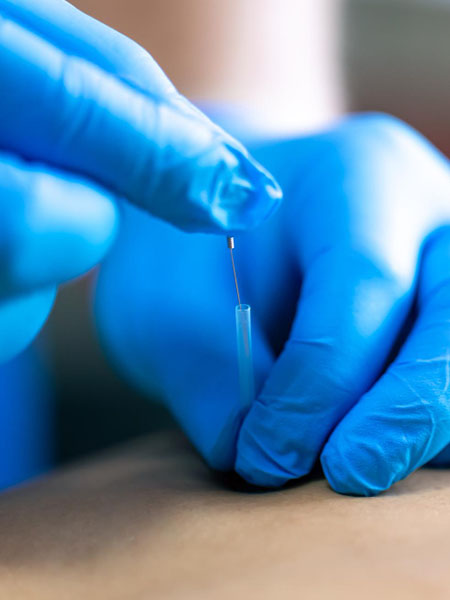
Some procedures deliver medicine directly to an area that is causing pain. Others use techniques designed to influence pain signals from specific nerves. Imaging guidance, when appropriate, can help the doctor identify the treatment area more accurately.
These procedures are different from major surgery. They are often performed as outpatient treatments, although the exact setting depends on the procedure and the patient's medical condition.
Minimally Invasive Pain Procedures in Nellore may be considered when a patient's symptoms have been carefully assessed and a targeted intervention is likely to provide useful benefit.
It is important to understand that minimally invasive procedures are not suitable for every type of pain. A proper diagnosis remains the foundation of treatment.
CONDITIONS TREATED
Minimally invasive techniques may have a role in selected conditions affecting the spine, joints, nerves, and other musculoskeletal structures. The appropriate procedure depends on the source and pattern of pain.
Conditions that may be evaluated include:
- Persistent neck or lower back pain.
- Certain types of nerve-related pain.
- Joint pain involving the knee, shoulder, hip, or other areas.
- Selected arthritis-related pain.
- Certain tendon and soft-tissue conditions.
- Pain associated with nerve compression or irritation.
Some patients may have more than one source of pain. For example, a person with back pain may also have muscle tension or nerve irritation. Treating only one component may not be enough, which is why a complete assessment is important.
The underlying cause, duration of symptoms, previous treatments, imaging findings, and general health are considered before selecting any procedure.
TYPES OF PROCEDURES OFFERED
Different procedures are used for different pain conditions. Injections around selected joints may be considered when inflammation or degeneration within a joint contributes to symptoms. These may involve medicines intended to reduce inflammation and discomfort.
Nerve-related procedures may target a specific nerve or nerve pathway when that structure has been identified as a likely source of pain. The purpose may be to reduce abnormal pain signalling and make movement or rehabilitation easier.
Certain spinal procedures may be considered when pain is associated with irritation around spinal nerves or other specific structures. These interventions require careful patient selection and appropriate anatomical assessment.
Trigger-point injections may sometimes be used when localized muscle areas contain painful, tight bands of tissue. Other specialized procedures may be considered depending on the diagnosis.
The choice of intervention should always be based on the individual condition rather than simply selecting a procedure because it is minimally invasive.
HOW ARE PAIN PROCEDURES PERFORMED?
Before treatment, the doctor reviews the symptoms, medical history, previous investigations, medicines, allergies, and other relevant health information. The painful area is examined to confirm whether the proposed procedure is appropriate.
During the procedure, the patient is positioned comfortably, and the treatment area is cleaned carefully. A small needle is then guided toward the intended structure. Depending on the procedure, imaging such as ultrasound or fluoroscopy may be used to improve accuracy.
A local anaesthetic may be used in selected procedures to reduce discomfort during treatment. The medicine or other intervention is then delivered to the planned area.
The procedure usually takes a relatively short time, but the exact duration depends on what is being performed. Patients are generally monitored for a short period afterward and receive instructions about activity and follow-up.
BENEFITS AND CONSIDERATIONS
The potential benefit of a minimally invasive procedure depends greatly on whether the correct pain source has been identified. A targeted treatment may help reduce symptoms and make it easier for a patient to participate in rehabilitation.
Potential advantages may include:
- Treatment directed toward a specific pain source.
- Small access points rather than a large surgical incision.
- Usually limited disruption to surrounding tissues.
- Potentially shorter recovery than major surgery for appropriate procedures.
- The ability to combine treatment with rehabilitation and other non-surgical care.
However, these procedures also have limitations. Pain relief may be temporary or may not occur. Some procedures may cause short-term soreness, bruising, bleeding, infection, or other complications. The risks depend on the specific intervention and the patient's health.
A procedure should therefore be recommended only after discussing its expected benefits, possible risks, alternatives, and realistic outcomes.
RECOVERY AND FOLLOW-UP
Recovery varies according to the procedure and the condition being treated. Some patients can return to normal light activities relatively quickly, while others may need a short period of modified activity.
Temporary soreness at the treatment site can occur. Patients should follow the specific instructions provided by their healthcare professional regarding exercise, lifting, driving, and other activities.
Pain relief may occur immediately with some treatments, particularly when local anaesthetic is used, while the longer-term effect of other interventions may take more time to assess. A reduction in pain is only one measure of progress. Improved walking, sleep, movement, and ability to perform daily activities are also important.
Follow-up appointments allow the treatment response to be reviewed. If symptoms persist, the diagnosis and treatment plan may need to be reconsidered rather than simply repeating the same procedure.
WHO MAY NEED MINIMALLY INVASIVE PAIN PROCEDURES?
These procedures may be considered for patients with persistent pain that has not improved sufficiently with appropriate conservative treatment. They may also be useful when a particular anatomical structure has been identified as a likely contributor to symptoms.
Not everyone with chronic pain needs an injection or procedure. In many cases, exercise, physiotherapy, medication, activity modification, or treatment of an underlying medical condition may be more appropriate.
For patients who do require an intervention, Minimally Invasive Pain Treatment in Nellore should be based on a clear diagnosis and an individualized treatment plan.
A consultation can help determine whether a procedure is appropriate or whether another approach would be more suitable.
PERSONALIZED PAIN CARE
Effective pain care often involves more than one treatment method. A minimally invasive procedure may provide symptom relief, while rehabilitation addresses strength, flexibility, movement patterns, and physical function.
Lifestyle factors can also influence recovery. Sleep, activity levels, posture, weight management, workplace habits, and appropriate exercise may all be considered as part of a broader care plan.
The purpose of Minimally Invasive Pain Management in Nellore is not simply to perform a procedure. It is to use an appropriate intervention when indicated and combine it with other measures that support longer-term improvement.
An individualized evaluation by Dr. Namratha B. Reddy can help determine the likely source of pain and whether a minimally invasive approach has a suitable role in the patient's care.
TAKE THE NEXT STEP TOWARDS BETTER PAIN CONTROL
If persistent pain is limiting your movement or daily activities, seek a detailed evaluation to understand the cause and discover whether a minimally invasive procedure could be an appropriate part of your personalized treatment plan.
Frequently Asked Questions (FAQs)
1. Are minimally invasive pain procedures the same as surgery?
No. Most minimally invasive pain procedures use needles or small access points and do not involve the large incision associated with traditional open surgery.
2. Will the procedure completely eliminate my pain?
Not necessarily. The outcome depends on the underlying condition, the accuracy of the diagnosis, and individual factors. Some patients experience significant relief, while others may have partial or temporary improvement.
3. Are these procedures painful?
Some temporary discomfort may occur during or after a procedure. Local anaesthetic may be used for selected treatments, and the healthcare team takes steps to make the procedure as comfortable as possible.
4. Can I return to normal activities immediately?
It depends on the procedure performed and your individual condition. You will receive specific instructions regarding activity, exercise, driving, and recovery.
5. Do I still need physiotherapy after a pain procedure?
In many cases, rehabilitation remains important. Reducing pain can make it easier to participate in appropriate exercises and work toward improved strength, flexibility, and function.