
INTRODUCTION TO EXPERT ONCOLOGY CARE
A cancer diagnosis can bring many questions and concerns for patients and their families. Understanding the disease, available treatment options, and the next steps can make the treatment journey more manageable. Surgical oncology is an important part of cancer care that focuses on the surgical diagnosis, treatment, and management of solid tumours.
Surgery may be used to remove a tumour, obtain tissue for diagnosis, relieve symptoms, or manage complications caused by cancer. In some patients, surgery is the main treatment. In others, it may be combined with chemotherapy, radiation therapy, targeted treatment, immunotherapy, or other forms of cancer care.
A surgical oncologist in Nellore evaluates the patient's condition carefully before recommending an operation. The decision depends on factors such as the type and location of cancer, its stage, the patient's general health, and whether the tumour can be safely removed. The objective is to provide appropriate treatment while considering both cancer control and the patient's overall well-being.
ABOUT Dr. G.V.V. PRASAD REDDY
Dr. G.V.V. Prasad Reddy provides surgical oncology care with an approach centred on careful assessment, appropriate treatment planning, and clear communication with patients and their families.

Cancer treatment is rarely based on a single factor. Before surgery is considered, the patient's medical history, physical examination, imaging studies, laboratory investigations, biopsy findings, and other relevant reports may be reviewed. A biopsy involves examining a small sample of tissue under a microscope to determine the nature of abnormal cells.
Depending on the diagnosis, additional investigations may be required to understand whether the cancer has spread to nearby tissues or distant organs. This process, known as staging, helps the medical team understand the extent of the disease and select an appropriate treatment strategy.
For some patients, surgery may be performed with the intention of removing all visible cancer. In other situations, surgery may be used to reduce the size of a tumour, relieve obstruction or bleeding, or address another complication. The expected benefits and possible risks should always be discussed before treatment.
CANCERS TREATED
Surgical oncology can be involved in the management of many different solid cancers. Treatment varies significantly depending on the organ involved, tumour characteristics, stage, and individual patient factors.
A cancer surgeon in Nellore may evaluate patients with cancers involving the digestive system, breast, thyroid, skin, soft tissues, head and neck region, and other organs. Some cancers require highly specialized procedures, while others may be managed through smaller operations depending on their location and stage.
Breast cancer surgery may involve removal of the tumour while preserving as much healthy breast tissue as possible when clinically appropriate. In some cases, removal of the entire breast may be recommended. Surgery may also involve assessment of lymph nodes to determine whether cancer cells have reached these structures.
Thyroid and other endocrine-related tumours may require removal of part or all of the affected gland. Gastrointestinal cancers involving organs such as the stomach, colon, rectum, liver, pancreas, or oesophagus may require carefully planned operations depending on the location and extent of disease.
Head and neck cancers can affect areas involved in breathing, swallowing, speaking, and appearance. Their surgical management therefore requires careful planning with attention to both cancer removal and preservation of important functions.
Soft-tissue and skin tumours may also require surgical assessment. The extent of surgery depends on the tumour type, size, depth, and surrounding structures.
ONCOLOGY TREATMENTS OFFERED
Cancer treatment is individualized because no single approach is suitable for every patient. Surgery is one part of a broader cancer-care pathway and may be combined with other treatments.
The treatment plan may involve:
- Surgical removal of localized or operable tumours.
- Biopsy or other surgical procedures to establish a diagnosis.
- Lymph-node evaluation when clinically indicated.
- Minimally invasive or laparoscopic procedures for selected cancers.
- Palliative surgery to relieve symptoms or complications when curative treatment is not possible.
Minimally invasive surgery uses smaller incisions and specialized instruments in selected situations. Laparoscopic surgery, for example, involves operating through small openings using a camera and instruments. Whether this approach is suitable depends on the cancer, its location, previous surgeries, and the patient's overall condition.
Some patients receive treatment before surgery. This may include chemotherapy, radiation therapy, targeted therapy, or immunotherapy. Such treatment can sometimes reduce tumour size or address cancer cells elsewhere in the body before an operation. In other cases, additional treatment is given after surgery to reduce the risk of recurrence.
The treatment plan may therefore involve several medical specialists. A medical oncologist in Nellore may manage medicines such as chemotherapy, immunotherapy, or targeted treatments, while radiation specialists may provide radiation therapy when appropriate. Working as a coordinated team can help ensure that different aspects of cancer care are considered.
SYMPTOMS THAT NEED EVALUATION
Not every unusual symptom indicates cancer. Many symptoms have common and non-cancerous causes. However, persistent or unexplained changes should not be ignored, particularly when they continue or become progressively worse.
Patients should consider medical evaluation for symptoms such as:
- An unexplained lump or swelling that persists or increases in size.
- Unexplained weight loss, persistent tiredness, or reduced appetite.
- Unusual bleeding or discharge.
- Persistent changes in bowel or bladder habits.
- A wound or skin change that does not heal normally.
- Difficulty swallowing or persistent changes in voice.
- A persistent cough or unexplained change in breathing.
- Long-lasting pain without an obvious cause.
Early evaluation does not necessarily mean that cancer will be diagnosed. It provides an opportunity to identify the cause of symptoms and begin appropriate treatment when necessary.
WHY CHOOSE Dr. G.V.V. PRASAD REDDY?
Cancer surgery requires more than technical expertise. Patients and families also need clear information about the diagnosis, treatment choices, expected recovery, and possible risks. A patient-centred approach allows individuals to understand their options and participate meaningfully in treatment decisions.
People searching for the Best cancer specialist in Nellore should consider factors such as relevant surgical expertise, experience with the particular cancer, availability of multidisciplinary care, communication, and the suitability of the proposed treatment for their individual condition.
Every operation has potential benefits and risks. These may include bleeding, infection, pain, anaesthetic complications, injury to nearby structures, and other risks specific to the procedure. Recovery also varies depending on the type of surgery and the patient's health.
Good cancer care therefore involves appropriate pre-operative evaluation, careful surgical planning, post-operative monitoring, and follow-up. Patients may also need nutritional support, physiotherapy, pain management, psychological support, or other services during recovery.
At Sukhada pain clinic, patients can discuss their concerns and receive guidance regarding appropriate specialist evaluation and cancer-related care pathways. Where necessary, treatment may involve coordination between surgical, medical, radiation, pathology, imaging, and supportive-care professionals.
TAKE THE FIRST STEP TOWARDS CANCER CARE
A cancer diagnosis can feel overwhelming, but patients do not have to navigate the process without professional guidance. Understanding the diagnosis and discussing treatment options with an appropriate specialist are important early steps.
Surgical treatment is considered only when it is medically appropriate. The aim is to determine whether an operation can provide meaningful benefit and, if so, select an approach that balances cancer treatment with preservation of important body functions whenever possible.
Patients are encouraged to bring previous medical records, biopsy reports, scans, blood-test results, and details of current medicines to their consultation. A complete medical history can help the treating team understand the situation more clearly.
Whether surgery is recommended immediately, preceded by another treatment, or not considered appropriate, patients should receive a clear explanation of the reasoning behind the proposed plan. Follow-up after treatment is equally important because ongoing monitoring helps the medical team assess recovery and watch for signs of recurrence or other concerns.
Seeking timely professional advice can help patients move from uncertainty toward a clearer understanding of their condition and available options. The goal of surgical oncology is not simply to perform an operation, but to provide carefully planned cancer care that considers the disease, the individual, and the patient's long-term needs.
Frequently Asked Questions (FAQs)
1. Who is the best surgical oncologist in Nellore?
Dr. G. V. V. Prasad Reddy is a surgical oncologist in Nellore providing evaluation and surgical care for various cancers.
2. When should I consult an oncologist?
Consult an oncologist if you have persistent or concerning symptoms, an abnormal test result, or have been diagnosed with cancer.
3. Does every cancer patient need surgery?
No. Surgery is not appropriate for every type or stage of cancer. The treatment approach depends on the cancer type, location, stage, overall health, and other individual factors. A specialist will evaluate these factors before recommending surgery.
4. Can cancer be treated successfully if detected early?
Early detection can improve treatment options and outcomes, depending on the type and stage of cancer.
5. What are the warning signs of cancer?
Common warning signs include unexplained weight loss, persistent lumps, unusual bleeding, prolonged pain, and changes in bowel or bladder habits.
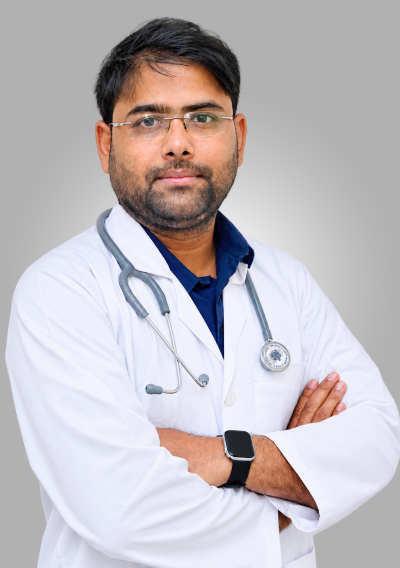
Dr. G.V.V.Prasad Reddy
MBBS, MS, MCh (Surgical Oncology), Gold Medalist
Consultant Surgical Oncologist &
Cancer Surgical Care
Dr. Prasad Reddy G V V is a distinguished Surgical Oncologist in Nellore, committed to delivering comprehensive, precise, and compassionate cancer care. With a patient-centric approach and a strong focus on surgical excellence, he strives to provide individualized treatment strategies tailored to each patient's unique needs. His dedication to advanced surgical oncology, clinical expertise, and ethical medical practice reflects a commitment to helping patients navigate their cancer journey with confidence, dignity, and hope.
Dr. Prasad Reddy G V V completed his MCh in Surgical Oncology from SVIMS, Tirupathi, building specialized expertise in cancer surgery. He pursued his MS in General Surgery from Narayana Medical College, Nellore, establishing a strong foundation in surgical practice. He completed his MBBS from Rajiv Gandhi Institute of Medical Sciences, Kadapa, laying the groundwork for his medical career. His academic journey reflects a commitment to specialized knowledge and delivering refined surgical oncology care. He currently serves as a Consultant Surgical Oncologist in SNHRC, Nellore and is also available for consultation at DLNR Sukhada Pain Clinic and Surgical Centre in the evening hours.