INTRODUCTION
Sports and physical activity can improve strength, fitness, flexibility, and overall well-being. However, injuries can occur when the body is exposed to sudden force, repetitive stress, poor technique, inadequate recovery, or an activity level that exceeds its current capacity.
A sports injury may affect muscles, tendons, ligaments, bones, joints, or other soft tissues. Some injuries are minor and settle with appropriate care, while others require medical assessment and structured rehabilitation.
At Sukhada pain clinic, sports-related pain and injuries are assessed according to the type of injury, symptoms, activity level, and individual recovery goals. The aim is to control pain, restore function, and help patients return to their preferred activities safely.
COMMON SPORTS INJURIES
Sports injuries can occur during professional competition, recreational exercise, gym workouts, running, or everyday physical activities. They are not limited to athletes.
Sprains occur when a ligament, which connects bones and helps stabilize a joint, is stretched or torn. Ankle sprains are particularly common, although ligaments in the knee, wrist, shoulder, and other joints can also be affected.
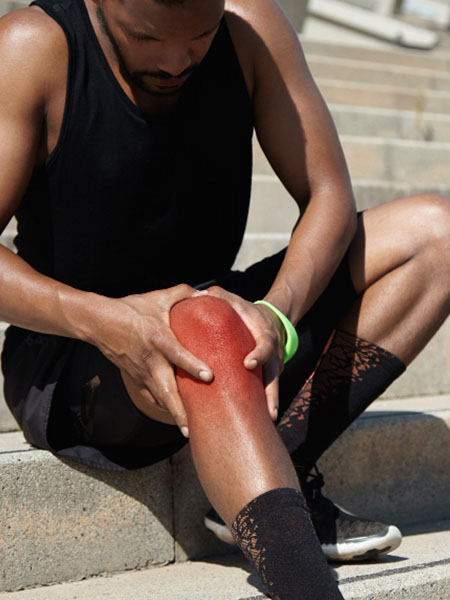
Strains involve muscles or tendons and can occur after sudden stretching, forceful movement, or repeated loading. Hamstring, calf, shoulder, and lower-back strains are examples.
Tendon problems may develop gradually when a tendon is exposed to repeated stress without enough time to recover. These conditions can affect areas such as the shoulder, elbow, knee, or Achilles tendon.
Other injuries include cartilage damage, dislocations, fractures, muscle bruising, and stress injuries to bones. Concussion can also occur in sports involving falls or impact and requires appropriate medical evaluation.
CAUSES OF SPORTS INJURIES
Sports injuries can happen for many reasons. A sudden change in direction, awkward landing, collision, fall, or excessive force may cause an acute injury.
Repetitive stress can lead to a different type of problem. Increasing training intensity too quickly, repeating the same movement frequently, or not allowing sufficient recovery may gradually overload muscles, tendons, or joints.
Poor technique and inappropriate equipment can also contribute. For example, incorrect lifting mechanics or unsuitable footwear may increase stress on certain parts of the body.
Previous injuries can influence future injury risk when strength, flexibility, balance, or movement patterns have not fully recovered. Fatigue may also affect coordination and technique, particularly during prolonged training or competition.
A balanced approach to training is important. Gradually increasing workload, allowing recovery time, and maintaining adequate strength and mobility can help support safe participation.
SYMPTOMS
Sports injuries can produce different symptoms depending on the affected tissue and severity of the problem.
Common symptoms include:
- Pain during or after physical activity.
- Swelling or tenderness.
- Bruising around an injured area.
- Stiffness or reduced movement.
- Weakness or difficulty using the affected body part.
- Pain that returns when activity is resumed.
A sudden inability to bear weight, obvious deformity, severe swelling, significant weakness, loss of sensation, or intense pain after a major injury requires prompt medical assessment.
Persistent pain should also not be ignored simply because it began during exercise. Continuing to train through significant symptoms can sometimes worsen an underlying injury.
SPORTS INJURY DIAGNOSIS
Diagnosis begins with understanding how the injury happened and what symptoms developed afterward. The doctor may ask about the activity, movement, force, or impact involved and whether there was an immediate onset of pain.
A physical examination can assess swelling, tenderness, movement, muscle strength, joint stability, and the ability to perform certain functional movements.
Imaging is selected according to the suspected injury. X-rays can identify many fractures and certain bone or joint changes. Ultrasound can help assess some muscles and tendons, while MRI provides detailed images of soft tissues, cartilage, ligaments, and other structures.
Not every sports injury requires imaging. A careful examination often provides important information and helps determine whether additional testing is necessary.
A sports injury specialist in Nellore can evaluate the injury and determine an appropriate treatment and recovery plan based on the patient's activity level and functional goals.
SPORTS INJURY TREATMENT OPTIONS
Treatment depends on the type and severity of the injury. Early care may involve reducing activities that aggravate symptoms while maintaining safe movement when appropriate.
Medication may sometimes be recommended to manage pain or inflammation. The choice should take into account the patient's health, other medications, allergies, and the nature of the injury.
Physical rehabilitation is often an important part of recovery. Exercises may be used to restore flexibility, strength, balance, coordination, and joint control.
For selected injuries that do not improve adequately with conservative care, minimally invasive procedures may be considered. Depending on the diagnosis, targeted injections or other interventions may be appropriate. Patients should understand the expected benefits and possible risks before treatment.
Some serious injuries, including certain fractures, major ligament tears, or injuries involving significant structural damage, may require surgical assessment. The need for surgery depends on the specific injury and the individual's functional requirements.
Sports injury treatment in Nellore should therefore be individualized rather than based simply on the sport involved or the intensity of pain.
REHABILITATION AFTER SPORTS INJURY
Recovery does not end when pain begins to improve. The injured area may still require gradual strengthening and conditioning before returning to full activity.
Sports injury rehabilitation in Nellore may involve a staged program designed around the patient's injury, sport, occupation, fitness level, and recovery progress.
Early rehabilitation may focus on comfortable movement and controlling symptoms. As healing progresses, strengthening exercises can be introduced. Balance, coordination, flexibility, and sport-specific movements can then be added according to the individual's needs.
Rehabilitation should progress at an appropriate pace. Returning to intense activity too early may increase the risk of aggravating an incompletely recovered injury.
A good rehabilitation program also considers why the injury occurred. If weakness, poor movement mechanics, reduced flexibility, or inadequate conditioning contributed to the problem, these factors should be addressed before full return to activity.
RETURNING TO SPORTS SAFELY
Returning to sports should be based on function rather than simply waiting for pain to disappear. A person may feel better before the injured tissue has regained adequate strength and control.
A gradual return allows the body to adapt to increasing demands. Training intensity, duration, speed, and complexity can be increased progressively rather than returning immediately to the previous level.
The individual should be able to perform sport-related movements with appropriate control and without significant symptoms before returning to full participation. The exact criteria vary according to the injury and sport.
Warm-up, appropriate technique, adequate recovery, strength training, flexibility work, and suitable equipment can all support safer participation. Athletes should also pay attention to persistent fatigue or recurring pain rather than repeatedly training through symptoms.
PERSONALIZED SPORTS INJURY CARE
Every injury and every athlete is different. A professional athlete may need to return to high-level competition, while a recreational player may simply want to walk, run, or exercise comfortably again.
Dr. Namratha B. Reddy provides individualized assessment based on the injury, symptoms, medical history, physical findings, and activity goals. Patients can discuss their concerns and understand the available treatment and rehabilitation options.
At the clinic, care may involve pain management, rehabilitation guidance, medication, selected procedures, or referral for additional specialist evaluation when necessary.
The goal is to help patients recover safely while addressing factors that may increase the chance of repeated injury.
TAKE THE FIRST STEP TOWARDS SAFE RECOVERY
Don't let a sports injury keep you away from the activities you enjoy — schedule a professional evaluation today and take the first step toward recovery, stronger movement, and a safe return to activity.
Frequently Asked Questions (FAQs)
1. Should I continue exercising if I have pain?
It depends on the type and severity of the pain. Mild discomfort may sometimes be managed by modifying activity, but significant, worsening, or persistent pain should be assessed rather than repeatedly ignored.
2. How long does a sports injury take to heal?
Recovery time varies widely. A minor strain may improve relatively quickly, while ligament injuries, fractures, tendon problems, and other significant injuries may require a longer period of rehabilitation.
3. Is rest enough to recover from a sports injury?
Rest can be useful during the early stage of some injuries, but prolonged inactivity may lead to stiffness and weakness. Appropriate rehabilitation and gradual return to activity are often important parts of recovery.
4. Do all sports injuries require an MRI?
No. Many injuries can be diagnosed through medical history and physical examination. MRI is usually considered when more detailed information about soft tissues or other structures is needed.
5. How can I reduce the risk of another sports injury?
Gradually increase training intensity, maintain appropriate strength and flexibility, use suitable equipment, learn proper technique, allow adequate recovery, and address previous injuries fully before returning to demanding activity.