
INTRODUCTION
The knee carries much of the body's weight and plays an important role in walking, climbing stairs, sitting, standing, and many other everyday activities. Because it is used so frequently, knee pain can affect people of all ages. It may occur after an injury, develop gradually because of wear and tear, or result from inflammation and other conditions affecting the joint.
Some knee problems are short-lived and improve with appropriate care. Others may continue for months and gradually affect mobility, sleep, exercise, work, and independence. Understanding the cause of knee pain is therefore an important first step toward choosing appropriate treatment.
At Sukhada pain clinic, knee symptoms are assessed individually, with attention to the patient's medical history, physical findings, lifestyle, and functional limitations. The aim is to reduce discomfort while helping patients maintain or regain safe movement.
UNDERSTANDING KNEE PAIN
The knee is a complex joint formed by the thigh bone, shin bone, and kneecap. Cartilage helps the bones move smoothly, while ligaments provide stability and muscles and tendons help control movement.
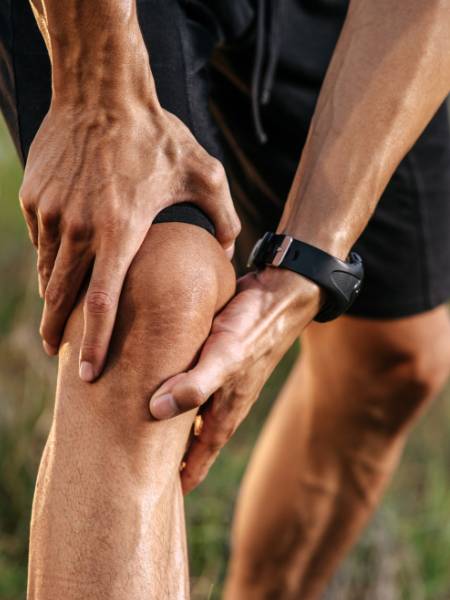
Pain can come from any of these structures. It may be felt at the front, side, back, or inside of the knee. Some people experience pain mainly while walking or climbing stairs, while others may notice stiffness after sitting for a long time.
Knee pain treatment in Nellore should be based on the underlying problem rather than simply treating the location of pain. A careful assessment can help determine whether symptoms are related to arthritis, an injury, inflammation, tendon problems, or another condition.
CAUSES OF KNEE PAIN
Knee pain has many possible causes. Injuries during sports, exercise, falls, or accidents can affect ligaments, cartilage, tendons, or other structures. Sudden twisting movements may injure structures inside the joint and cause pain, swelling, or difficulty bearing weight.
Osteoarthritis is another common cause, particularly among older adults. With osteoarthritis, the tissues within a joint gradually undergo changes that can lead to pain, stiffness, and reduced movement. The severity of symptoms can vary considerably between individuals.
Tendon problems can occur when a tendon becomes irritated after repeated stress. Bursitis, which involves inflammation of a small fluid-filled sac near the joint, can also produce localized discomfort.
Inflammatory conditions and certain medical disorders may cause swelling and pain in one or several joints. Excess body weight can increase the mechanical load placed on the knees and may contribute to symptoms in some individuals.
Previous injuries may also increase the likelihood of future knee problems. This is why a history of trauma, surgery, or recurring symptoms is important when evaluating a patient.
SYMPTOMS OF KNEE PROBLEMS
Knee conditions can produce different combinations of pain and functional difficulties. Symptoms may develop suddenly or gradually and may change over time.
Common symptoms include:
- Pain during walking, running, squatting, or climbing stairs.
- Knee stiffness after sitting or resting.
- Swelling around the joint.
- Difficulty fully bending or straightening the knee.
- Clicking, catching, or a feeling that the knee may give way.
- Reduced ability to participate in normal physical activities.
Severe pain after an injury, obvious deformity, inability to bear weight, or rapidly increasing swelling should be evaluated promptly. A hot, red, swollen knee accompanied by fever also requires timely medical attention because infection and other urgent conditions need to be considered.
KNEE PAIN DIAGNOSIS
The evaluation begins with a detailed history. The doctor may ask when symptoms started, whether there was an injury, which activities increase discomfort, whether the knee swells, and whether similar problems have occurred previously.
During the physical examination, the knee may be assessed for tenderness, swelling, movement, stability, strength, and alignment. The hip and lower back may also be examined when necessary because pain in these areas can sometimes affect how knee symptoms are experienced.
Imaging is selected according to the clinical situation. X-rays can show bone and joint changes, while ultrasound may help examine certain soft tissues. MRI scans can provide detailed images of structures such as cartilage, ligaments, tendons, and other soft tissues.
A knee pain specialist in Nellore can determine whether imaging or other investigations are needed and interpret the results alongside the patient's symptoms rather than treating an image alone.
KNEE PAIN TREATMENT OPTIONS
Treatment depends on the cause, severity, duration, age, activity level, and overall health of the patient. Many knee conditions can initially be treated without surgery.
Activity modification may help reduce stress on an irritated joint while allowing appropriate movement to continue. Medication may sometimes be recommended to control pain or inflammation. The choice of medicine should take into account other medical conditions and medicines the patient is already taking.
Physical therapy can help improve joint movement, muscle strength, balance, and walking mechanics. Strengthening the muscles around the knee and hip can improve support for the joint in appropriate cases.
For selected patients, targeted injections or other minimally invasive procedures may be considered. The suitability of an intervention depends on the diagnosis and individual circumstances. Patients should understand the expected benefits, limitations, possible risks, and alternatives before undergoing a procedure.
Surgery may be considered for certain injuries or advanced joint problems when other appropriate treatments have not provided sufficient improvement or when significant structural damage is present. The decision should be individualized rather than based solely on the presence of pain.
NON-SURGICAL KNEE PAIN MANAGEMENT
Many patients can manage knee symptoms through a combination of conservative measures. The goal is to reduce pain while maintaining useful movement and preventing unnecessary loss of strength.
Non-surgical knee pain treatment in Nellore may involve exercise-based rehabilitation, appropriate medication, weight management when relevant, activity modification, and selected interventional treatments.
Exercise is particularly important because avoiding movement completely can lead to muscle weakness and increased stiffness. However, exercises should be matched to the condition. A person recovering from an injury may require a different program from someone living with arthritis.
Weight management can also be useful for people whose knee symptoms are affected by excess body weight. Even modest changes may reduce the physical demands placed on weight-bearing joints.
Supportive measures such as appropriate footwear, workplace modifications, and pacing demanding activities may also help some patients remain active without repeatedly aggravating their symptoms.
FUNCTIONAL REHABILITATION FOR KNEE PAIN
Rehabilitation is not simply about making the knee stronger. It also focuses on restoring confidence, balance, flexibility, coordination, and the ability to perform everyday movements safely.
A rehabilitation program may gradually progress from comfortable movement to strengthening and functional activities. Patients may work on sitting and standing, climbing stairs, walking, balance, and other movements relevant to their daily lives.
The pace of recovery differs from person to person. Trying to do too much too soon may increase symptoms, while avoiding activity for too long can contribute to weakness. Regular follow-up can help adjust the rehabilitation plan according to progress.
Knee pain management in Nellore should therefore consider both symptom relief and long-term function. The aim is to help patients remain as active as their condition safely allows.
PERSONALIZED CARE FOR BETTER KNEE HEALTH
Knee pain should not automatically be considered a normal part of ageing or something that must simply be tolerated. At the same time, not every painful knee requires an injection or operation. The right approach depends on understanding the underlying condition.
Dr. Namratha B. Reddy provides individualized pain assessment based on symptoms, examination findings, medical history, and the patient's functional goals. Patients can discuss available treatment options and understand why a particular approach may be recommended.
A comprehensive plan may combine medical treatment, rehabilitation, lifestyle changes, and selected procedures when appropriate. Treatment can also be reviewed over time as symptoms and functional needs change.
TAKE THE FIRST STEP TOWARDS BETTER KNEE HEALTH
Don't allow knee pain to limit your walking, work, exercise, or everyday activities — schedule a professional evaluation today and take the first step toward better mobility and healthier knee function.
Frequently Asked Questions (FAQs)
1. What commonly causes knee pain?
Knee pain can result from injuries, osteoarthritis, tendon problems, inflammation, bursitis, or repeated stress. The exact cause varies between individuals and should be assessed based on symptoms and examination findings.
2. Can knee pain improve without surgery?
Yes. Many knee problems can be managed with exercise, physical therapy, activity modification, appropriate medicines, weight management, and selected procedures. Surgery is reserved for particular conditions when it is medically appropriate.
3. Is walking good for someone with knee pain?
Walking may be beneficial for many people, but the appropriate amount depends on the cause and severity of symptoms. Activities that cause significant or increasing pain should be discussed with a healthcare professional.
4. Does knee pain always mean arthritis?
No. Arthritis is one possible cause, but knee pain can also result from injuries, tendon problems, bursitis, muscle weakness, inflammation, and other conditions.
5. When should knee pain be evaluated urgently?
Prompt medical attention is appropriate after a significant injury, when the knee appears deformed, when you cannot bear weight, or when there is rapid swelling. A hot or red knee accompanied by fever also requires urgent assessment.