
INTRODUCTION
Persistent pain can affect movement, work, exercise, sleep, and everyday activities. When medicines, rest, physiotherapy, or other conservative measures do not provide enough relief, some patients may be considered for regenerative therapies.
Regenerative therapies are a group of treatments that use biological substances or carefully targeted techniques with the aim of supporting the body's natural healing processes. Depending on the condition, these approaches may be used to address pain arising from joints, tendons, ligaments, or other musculoskeletal structures.
These treatments are not suitable for everyone, and their expected benefits can vary according to the diagnosis and individual health factors. A proper clinical assessment is therefore important before deciding whether a regenerative approach is appropriate.
At Sukhada pain clinic, treatment decisions are based on the patient's symptoms, examination findings, medical history, and realistic treatment goals.
WHAT ARE REGENERATIVE THERAPIES?
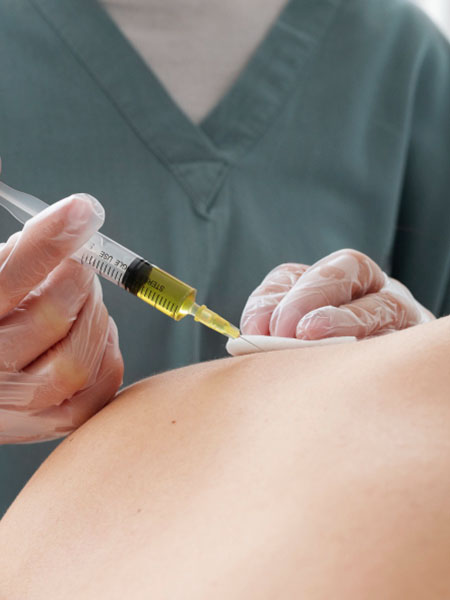
Regenerative therapies aim to support tissue healing or improve the local environment around an area affected by injury or degeneration. Some treatments use substances obtained from the patient's own blood, while others involve specific injections intended to stimulate a healing response.
The term "regenerative" does not mean that damaged tissue will always grow back completely or that a treatment can reverse every degenerative condition. Results depend on factors such as the type and extent of tissue damage, the patient's general health, the treatment used, and the condition being treated.
A consultation for Regenerative Therapy in Nellore may involve discussing the source of pain, previous treatments, imaging results, activity level, and whether a biological treatment has a reasonable role in the overall care plan.
Regenerative therapies are generally considered part of a broader treatment strategy rather than a replacement for appropriate exercise, rehabilitation, lifestyle measures, or necessary medical treatment.
CONDITIONS THAT MAY BENEFIT
Regenerative approaches are mainly considered for selected musculoskeletal problems. The suitability of treatment depends on the specific diagnosis and the condition of the affected tissue.
Potential conditions that may be evaluated include:
- Certain forms of osteoarthritis and joint-related pain.
- Selected tendon and ligament injuries.
- Some chronic soft-tissue problems.
- Certain sports-related musculoskeletal injuries.
- Persistent pain associated with degenerative tissue changes.
Not every patient with these conditions will benefit from regenerative treatment. The severity of the condition, duration of symptoms, previous treatment response, age, activity requirements, and other medical factors all need to be considered.
For this reason, treatment should not be selected solely because a particular therapy is described as regenerative. The diagnosis and available evidence for the specific condition should guide the decision.
TYPES OF REGENERATIVE THERAPIES OFFERED
One commonly discussed approach is platelet-rich plasma, or PRP. PRP is prepared from a patient's own blood. A sample is processed to concentrate platelets and other components, and the prepared material is then injected into a selected area when clinically appropriate.
Platelets contain substances involved in normal tissue repair. However, PRP preparations can differ, and research findings are not identical for every condition. The potential benefit therefore depends on the specific problem being treated.
Another approach used in selected situations is prolotherapy. This involves injecting a solution into targeted tissues with the intention of stimulating a local healing response. Its usefulness varies between conditions, and appropriate patient selection is important.
Other biological treatments may be discussed depending on the patient's condition and available clinical evidence. The exact treatment should be determined after assessment rather than using the same procedure for every type of pain.
HOW REGENERATIVE THERAPIES WORK
The body naturally has several mechanisms for responding to injury. Blood flow, inflammatory responses, immune activity, and tissue-repair processes all contribute to healing. Regenerative therapies are designed to interact with some of these processes.
For example, PRP contains concentrated platelets and other blood components that participate in normal repair. When introduced into a selected area, the intention is to create a local biological environment that may support tissue recovery.
The response is not immediate in every patient. Some people may notice temporary soreness after an injection before improvement occurs. Others may experience gradual changes over a longer period.
It is also important to understand that regenerative therapy is not a guaranteed method of restoring damaged tissue to its original condition. The purpose is to provide a potential treatment option for carefully selected patients when there is a reasonable clinical basis for using it.
Regenerative Medicine in Nellore should therefore be considered as part of an individualized medical plan rather than as a universal solution for chronic pain.
WHO MAY BE A CANDIDATE?
A person may be considered for regenerative treatment when a clear diagnosis has been established and conventional approaches have not produced sufficient improvement, or when regenerative therapy is considered a reasonable option for the specific condition.
Before treatment, the doctor may review medical history, previous procedures, medicines, allergies, imaging reports, and current symptoms. Physical examination can help determine whether the painful structure is appropriate for targeted treatment.
Some patients may not be suitable candidates. Certain medical conditions, active infections, bleeding problems, specific medicines, or other health factors may affect whether an injection is advisable.
Treatment expectations are also important. Patients should understand the potential benefits, limitations, alternatives, possible side effects, and the time that may be required before improvement can be assessed.
WHAT TO EXPECT DURING TREATMENT
The exact procedure depends on the therapy being considered. Before an injection, the treatment area is identified carefully, and appropriate preparation is performed. In some situations, imaging guidance may be used to improve accuracy when targeting a particular structure.
If PRP is selected, a small amount of the patient's blood is collected and processed before the prepared material is injected into the intended area.
The procedure itself is usually performed as an outpatient treatment. Temporary discomfort, tenderness, or swelling can occur after an injection. Patients receive instructions regarding activity, medicines, exercise, and follow-up according to the procedure performed.
The aim of Regenerative Treatment for Pain in Nellore is to use a carefully selected biological approach when it is clinically appropriate, while maintaining realistic expectations about the possible outcome.
RECOVERY AND FOLLOW-UP
Recovery varies depending on the treated area, underlying condition, procedure, and individual response. Some patients may experience short-term soreness before symptoms begin to settle.
Following the recommended activity plan is important. Avoiding excessive strain during the initial recovery period may allow the treated area to settle appropriately. At the same time, prolonged complete rest is not always necessary.
Rehabilitation may be included as part of the treatment plan. Appropriate exercises can help improve strength, flexibility, joint control, and movement patterns. This can be particularly important when pain has caused reduced activity or weakness over time.
Follow-up allows the doctor to assess symptom changes and functional improvement. Additional treatment is not automatically required; the next step depends on the response and the original diagnosis.
An individualized assessment by Dr. Namratha B. Reddy can help determine whether a regenerative approach is appropriate and how it may fit into a broader pain-management plan.
TAKE THE NEXT STEP TOWARDS BETTER PAIN MANAGEMENT
If persistent pain is limiting your movement or daily life, seek a professional assessment to understand whether regenerative therapy is an appropriate option for your condition and take the next step towards a personalized treatment plan.
Frequently Asked Questions (FAQs)
1. Are regenerative therapies suitable for everyone?
No. Suitability depends on the diagnosis, severity of the condition, general health, previous treatments, and other individual factors.
2. How quickly do regenerative treatments work?
The response varies. Some patients may notice changes over several weeks, while others may have limited improvement. The expected timeline depends on the condition and treatment used.
3. Is PRP made from my own blood?
Yes. PRP is prepared from a sample of the patient's own blood, which is processed to concentrate platelets and other blood components before being used for the selected procedure.
4. Can regenerative therapy replace physiotherapy?
Not necessarily. Rehabilitation may remain an important part of recovery. In appropriate patients, an injection-based treatment and structured rehabilitation may be used together.
5. Are regenerative therapies guaranteed to repair damaged tissue?
No. These treatments may support certain healing processes, but they do not guarantee complete tissue regeneration or elimination of pain. Results vary between individuals and conditions.