
INTRODUCTION
Musculoskeletal pain affects the structures that support movement, including muscles, bones, joints, tendons, ligaments, and surrounding soft tissues. It can develop suddenly after an injury or gradually because of repeated physical stress, poor movement patterns, age-related changes, or certain medical conditions.
Pain may be mild and temporary or persistent enough to interfere with work, exercise, sleep, and everyday activities. Some people experience discomfort in one specific area, while others have pain affecting several parts of the body.
At Sukhada pain clinic, musculoskeletal symptoms are evaluated carefully to understand their likely cause and effect on daily function. Treatment is individualized according to the patient's symptoms, examination findings, medical history, activity level, and personal goals.
WHAT IS MUSCULOSKELETAL PAIN?
Musculoskeletal pain refers to discomfort arising from the muscles, bones, joints, tendons, ligaments, or related tissues. These structures work together to provide movement, stability, and support.
Pain may occur after a sudden injury, such as a fall or sports injury, or develop slowly from repetitive movements and prolonged physical strain. Conditions such as arthritis can also cause ongoing musculoskeletal discomfort.
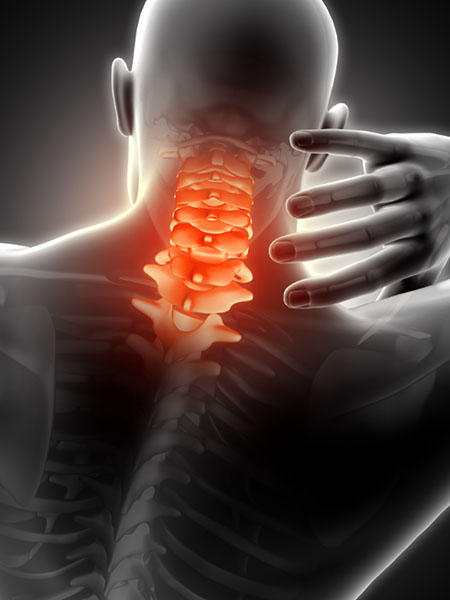
The location and nature of pain can vary. A person may experience aching, stiffness, tenderness, swelling, burning, or pain that becomes worse with particular movements.
Because many conditions can produce similar symptoms, identifying the actual source of pain is important. Musculoskeletal Pain Treatment in Nellore should therefore be based on an appropriate clinical assessment rather than treating symptoms alone.
COMMON CAUSES
Musculoskeletal pain has numerous possible causes. Muscle strain may occur after lifting, exercise, repetitive work, or sudden movement. Ligament injuries, tendon irritation, and joint problems can also cause localized discomfort.
Poor posture and prolonged periods in one position may place repeated stress on muscles and joints. People who spend long hours at a desk or perform physically demanding work may develop pain when movement patterns and workload are not well balanced.
Age-related changes can affect joints, discs, tendons, and other tissues. Arthritis may cause pain and stiffness, while reduced muscle strength can increase the physical demands placed on certain joints.
Previous injuries can sometimes contribute to recurring symptoms. Certain inflammatory, metabolic, or autoimmune conditions may also affect muscles, joints, or connective tissues.
In some cases, pain that appears to be muscular may actually originate from a nerve or another structure. A proper assessment helps distinguish between these possibilities.
SYMPTOMS
Musculoskeletal conditions can produce different combinations of symptoms depending on the affected structure and underlying cause.
Common symptoms include:
- Localized or widespread aching.
- Muscle stiffness or tightness.
- Joint pain and reduced movement.
- Tenderness when an area is touched or moved.
- Swelling around an injured or inflamed area.
- Pain that increases during particular activities.
- Reduced strength or difficulty performing normal movements.
Symptoms may be temporary or persistent. Some conditions produce pain mainly during activity, while others may cause discomfort even while resting.
Severe pain after a significant injury, visible deformity, inability to bear weight, rapidly increasing swelling, or symptoms accompanied by fever may require prompt medical assessment.
CONDITIONS ASSOCIATED WITH MUSCULOSKELETAL PAIN
Musculoskeletal pain is not a single disease. It can occur with many different conditions affecting the body's movement system.
Neck and back problems may involve muscles, joints, discs, or surrounding tissues. Shoulder pain can arise from tendon problems, bursitis, arthritis, or injuries. Knee and hip discomfort may be associated with arthritis, overuse, muscle weakness, or previous injury.
Tendinopathy occurs when a tendon becomes painful and less tolerant of repeated loading. This can affect areas such as the shoulder, elbow, knee, or heel. Sprains and strains can affect ligaments and muscles following sudden movements or injuries.
Osteoarthritis can cause pain, stiffness, and reduced joint function. Other inflammatory conditions may affect several joints or muscles and require specialized medical assessment.
Sports injuries and work-related strain can also produce musculoskeletal symptoms. In these situations, understanding the activity that triggered the problem can help guide treatment and rehabilitation.
DIAGNOSIS
A detailed medical history is an important part of diagnosis. The doctor may ask when symptoms started, whether an injury occurred, which activities make the pain worse, and how the problem affects sleep, work, exercise, and daily activities.
Physical examination helps assess movement, strength, flexibility, tenderness, swelling, and joint stability. The examination may also include nearby areas because pain can sometimes be referred from another structure.
Imaging is not required for every musculoskeletal condition. X-rays may be useful for evaluating bones and joints, while ultrasound can provide information about certain tendons and other soft tissues. MRI may be considered when more detailed assessment of muscles, ligaments, cartilage, discs, or other structures is needed.
Blood tests or other investigations may be recommended when an inflammatory, infectious, or systemic condition is suspected.
A Musculoskeletal Pain Specialist in Nellore can determine which investigations are appropriate and interpret them in combination with the patient's clinical findings.
MUSCULOSKELETAL PAIN TREATMENT
Treatment depends on the cause, severity, duration, and functional impact of the condition. Many musculoskeletal problems improve with appropriate conservative care and rehabilitation.
Activity modification may help reduce stress on an irritated structure while allowing safe movement to continue. Medication may sometimes be used to manage pain or inflammation, depending on the patient's medical history and other medicines.
Physical therapy can help restore flexibility, strength, balance, and movement control. A rehabilitation plan may be particularly important when weakness, poor movement patterns, or previous injury contributes to recurring symptoms.
For selected conditions, minimally invasive procedures may be considered. These may include targeted injections or other interventions directed toward a specific source of pain. Such treatments should only be recommended after appropriate evaluation and discussion of their potential benefits and risks.
Surgery may be appropriate for certain structural injuries or conditions that do not respond adequately to other treatments. It is not necessary for every person with musculoskeletal pain.
REHABILITATION AND RECOVERY
Recovery involves more than simply reducing pain. The aim of rehabilitation is to help the affected area regain appropriate strength, flexibility, movement, and tolerance for normal activity.
Musculoskeletal Pain Management in Nellore may include individualized exercises, activity modification, ergonomic guidance, lifestyle measures, medication, and selected procedures when clinically appropriate.
Exercise programs should progress gradually. Starting with movements that are comfortable and manageable can help build strength and confidence. As function improves, activities can be increased according to the patient's condition.
Workplace and lifestyle adjustments may also be helpful. Someone who sits for long periods may benefit from regular movement breaks and appropriate workstation positioning. A person involved in physical work may need guidance on lifting techniques, pacing, and recovery periods.
Adequate sleep, balanced nutrition, appropriate physical activity, and maintaining a healthy body weight can support overall musculoskeletal health.
Recovery time varies significantly. Some minor strains may improve relatively quickly, while tendon problems, joint conditions, and significant injuries may require longer rehabilitation.
PERSONALIZED CARE FOR BETTER MOVEMENT
Musculoskeletal pain can affect both physical comfort and confidence in movement. Patients may begin avoiding activities because they are worried about making the pain worse. Prolonged inactivity, however, can sometimes contribute to stiffness and weakness.
Dr. Namratha B. Reddy provides individualized assessment based on symptoms, examination findings, medical history, and functional goals. Patients can discuss their concerns and understand the available treatment options before deciding on an appropriate approach.
Care may include conservative treatment, rehabilitation, medication, targeted procedures, or referral for additional specialist assessment when necessary. Treatment can be adjusted according to progress and changing needs.
The overall goal is to help patients understand their condition, manage symptoms appropriately, and regain useful movement and function.
TAKE THE FIRST STEP TOWARDS BETTER MUSCULOSKELETAL HEALTH
Don't let persistent muscle, joint, or movement-related pain limit your everyday life — schedule a professional evaluation today and take the first step toward better movement, improved function, and lasting musculoskeletal health.
Frequently Asked Questions (FAQs)
1. What is the most common cause of musculoskeletal pain?
Musculoskeletal pain can result from many causes, including muscle strain, repetitive activity, injuries, arthritis, poor movement patterns, and age-related changes. The exact cause varies from person to person.
2. Can musculoskeletal pain go away on its own?
Some mild injuries and strains improve with appropriate activity modification and gradual return to normal movement. Persistent, worsening, or recurrent symptoms should be evaluated to determine whether additional treatment is needed.
3. Is exercise safe when experiencing musculoskeletal pain?
Appropriate exercise can often support recovery, but the type and intensity should match the condition. Activities that significantly worsen symptoms should be modified, and professional guidance may be useful for persistent problems.
4. When is imaging needed for muscle or joint pain?
Imaging is not necessary for every case. It may be recommended when symptoms persist, a significant injury has occurred, specific structural problems are suspected, or the examination indicates that additional information is needed.
5. Can poor posture contribute to musculoskeletal pain?
Yes. Maintaining an awkward position for long periods can place additional stress on muscles and joints. Regular movement, suitable workstation setup, and improved movement habits may help reduce unnecessary strain.