
INTRODUCTION
The shoulder is one of the body's most mobile joints, allowing the arm to reach, lift, rotate, and perform countless everyday movements. Because it has a wide range of motion, it can also be vulnerable to strain, overuse, injuries, inflammation, and age-related changes.
Shoulder pain may develop suddenly after an injury or gradually over time. It can make simple activities such as combing the hair, wearing clothes, reaching for an object, or sleeping on the affected side uncomfortable. In some people, the pain settles with appropriate care. In others, it may become persistent and restrict normal movement.
At Sukhada pain clinic, shoulder problems are assessed individually to understand the likely source of symptoms and determine an appropriate treatment approach. The focus is on relieving pain, improving movement, and helping patients return to their daily activities safely.
WHAT IS SHOULDER PAIN?
Shoulder pain refers to discomfort arising from the shoulder joint or the muscles, tendons, ligaments, and other tissues surrounding it. Pain may be felt directly over the shoulder, toward the upper arm, or around the shoulder blade. Sometimes pain from the neck can also be felt in the shoulder, making proper assessment important.
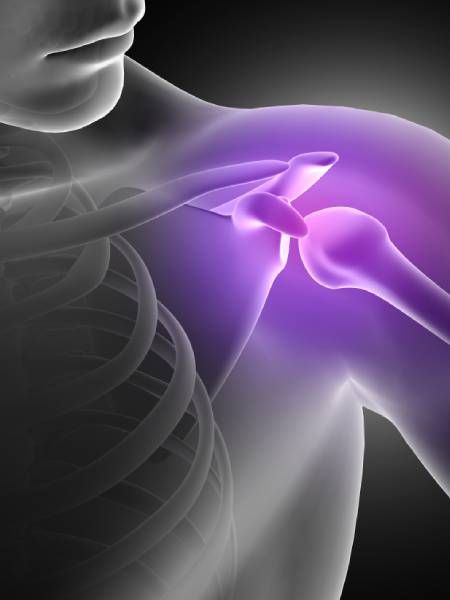
The shoulder consists of several structures that work together. The main shoulder joint allows extensive movement, while smaller joints, muscles, and tendons provide stability. The rotator cuff is a group of muscles and tendons that helps control shoulder movement and stability.
The nature of symptoms can vary. Some people experience a dull ache, while others report sharp pain, stiffness, weakness, or discomfort during specific movements. Shoulder pain treatment in Nellore should therefore be based on the individual's symptoms and the underlying cause rather than on pain intensity alone.
COMMON CAUSES OF SHOULDER PAIN
Shoulder pain can result from an injury, repeated activity, inflammation, or gradual changes within the joint. People who frequently lift, throw, work overhead, or perform repetitive arm movements may place increased stress on the shoulder.
Rotator cuff problems are a common cause of shoulder discomfort. These may involve irritation of the tendons or, in some cases, a partial or complete tear. Bursitis can also cause pain. A bursa is a small fluid-filled structure that helps reduce friction between moving tissues.
Frozen shoulder, medically called adhesive capsulitis, can cause progressive stiffness and difficulty moving the arm. Arthritis may gradually affect the joint and lead to pain, stiffness, and reduced function.
Shoulder injuries can occur during sports, falls, accidents, or heavy lifting. A dislocation happens when the bones forming a joint move out of their normal position and requires appropriate medical treatment.
Pain may also originate from the neck or nerves rather than the shoulder itself. This is why identifying the actual source of symptoms is an important part of evaluation.
SHOULDER PAIN SYMPTOMS
Shoulder conditions can produce different combinations of pain and movement problems. Symptoms may occur continuously or only during particular activities.
Common symptoms include:
- Pain while lifting or reaching with the arm.
- Stiffness or reduced shoulder movement.
- Weakness in the arm or shoulder.
- Pain that becomes worse at night or while lying on the affected side.
- Clicking, catching, or a feeling of instability.
- Pain extending toward the upper arm or shoulder blade.
A sudden inability to move the arm after an injury, visible deformity, severe swelling, or intense pain following significant trauma requires prompt medical evaluation. Chest discomfort, breathlessness, sweating, or pain spreading from the chest into the shoulder or arm may indicate a medical emergency and should not be assumed to be a shoulder problem.
DIAGNOSIS OF SHOULDER PAIN
A detailed medical history is usually the first step in evaluating shoulder discomfort. The doctor may ask about the onset of symptoms, previous injuries, work activities, sports participation, pain patterns, and movements that make the symptoms better or worse.
Physical examination helps assess shoulder movement, muscle strength, tenderness, stability, and possible involvement of the neck or nerves. Comparing movement on both sides can provide useful information.
Imaging is not necessary for every shoulder problem. Depending on the symptoms and examination, an X-ray may help assess bones and joint changes. Ultrasound can be useful for examining certain tendons and soft tissues, while MRI provides more detailed information about structures such as tendons, muscles, cartilage, and other soft tissues.
A shoulder pain specialist in Nellore can determine whether further investigations are needed and interpret them in combination with the clinical findings.
SHOULDER PAIN TREATMENT OPTIONS
Treatment depends on the cause, severity, duration, and effect of the problem on daily life. Many shoulder conditions can initially be managed with non-surgical care.
Activity modification may be recommended to reduce movements that aggravate the shoulder while maintaining appropriate activity. Depending on the diagnosis, medication may be used for a limited period to control pain or inflammation. Medication selection should take into account the patient's medical history and other medicines.
Physical therapy and targeted exercises are often important components of treatment. They can help restore movement, strengthen supporting muscles, and improve shoulder function.
For selected conditions, injections may be considered when pain remains significant despite appropriate conservative measures. Depending on the diagnosis, a targeted injection may be used to reduce inflammation or provide symptom relief. The potential benefits and risks should be explained before such treatment.
Some patients with persistent structural problems may eventually require surgery. This is generally considered when there is a specific condition that is unlikely to improve adequately with non-surgical care or when significant structural damage is present.
REHABILITATION FOR SHOULDER PAIN
Rehabilitation is an important part of recovery because reducing pain alone does not necessarily restore normal shoulder function. A structured exercise program can help improve flexibility, strength, coordination, and confidence in movement.
Exercises should be selected according to the underlying condition. For example, someone recovering from a tendon injury may require a different rehabilitation plan from someone with frozen shoulder or arthritis.
A gradual approach is usually important. Increasing activity too quickly can aggravate symptoms, while avoiding movement for too long can contribute to stiffness and weakness. A healthcare professional can help determine an appropriate progression.
Ergonomic changes may also be useful for people whose work involves repetitive shoulder movements. Adjusting workstation height, taking regular movement breaks, and using safer lifting techniques can help reduce unnecessary strain.
WHEN TO CONSULT A PAIN SPECIALIST
Mild shoulder discomfort after unusual activity may improve with rest and appropriate self-care. However, professional assessment is advisable when pain persists, repeatedly returns, interferes with sleep, or makes everyday activities difficult.
Shoulder pain management in Nellore can be particularly useful for patients whose symptoms have not improved with initial treatment or who have persistent stiffness, weakness, or restricted movement.
Medical evaluation is also important when shoulder pain follows an injury, especially if there is significant swelling, deformity, loss of movement, or severe discomfort. Symptoms involving numbness or weakness in the arm may require assessment for possible nerve involvement.
Early evaluation can help identify the cause and prevent patients from continuing activities that may aggravate an underlying condition.
PERSONALIZED CARE FOR SHOULDER HEALTH
Effective shoulder care begins with understanding why the pain is occurring. Treatment should take into account the patient's age, activity level, occupation, previous injuries, general health, and individual goals.
Dr. Namratha B. Reddy provides an individualized approach to pain assessment, considering symptoms, physical findings, medical history, and functional limitations. Patients can discuss their concerns and understand the available treatment options before deciding on the next step.
The aim is to develop a practical plan that addresses both symptoms and function. Depending on the condition, this may involve medication, rehabilitation, lifestyle adjustments, minimally invasive procedures, or referral for surgical assessment when appropriate.
TAKE THE FIRST STEP TOWARDS BETTER SHOULDER HEALTH
Don't let shoulder pain limit your movement or daily activities — schedule a professional evaluation today and take the first step toward better shoulder function and lasting confidence in movement.
Frequently Asked Questions (FAQs)
1. What is the most common reason for shoulder pain?
Shoulder pain can have many causes, including muscle or tendon irritation, overuse, bursitis, frozen shoulder, arthritis, and injuries. The most appropriate treatment depends on identifying the specific cause.
2. Can shoulder pain improve without surgery?
Yes. Many shoulder conditions can be managed with activity modification, medication when appropriate, exercises, physical therapy, and other non-surgical treatments. Surgery is considered only for selected conditions.
3. Why is shoulder pain sometimes worse at night?
Certain shoulder conditions can become more uncomfortable when lying on the affected side. Reduced movement during sleep may also make stiffness more noticeable. Persistent night pain should be evaluated if it regularly disrupts sleep.
4. How long does it take for a shoulder problem to improve?
Recovery time varies considerably. A minor strain may improve within a short period, while conditions such as frozen shoulder or tendon problems can take considerably longer. The underlying cause and adherence to rehabilitation both influence recovery.
5. Should I exercise when my shoulder hurts?
Appropriate movement can be beneficial, but the type and intensity of exercise should match the condition. Exercises that significantly increase pain should not be continued without professional guidance, particularly after an injury.